
21 August 2026
Best Digital Evidence Tools for Defensible Cases
Compare the best digital evidence tools for collecting, preserving, and reviewing material while protecting privacy, chain of custody, and case integrity.
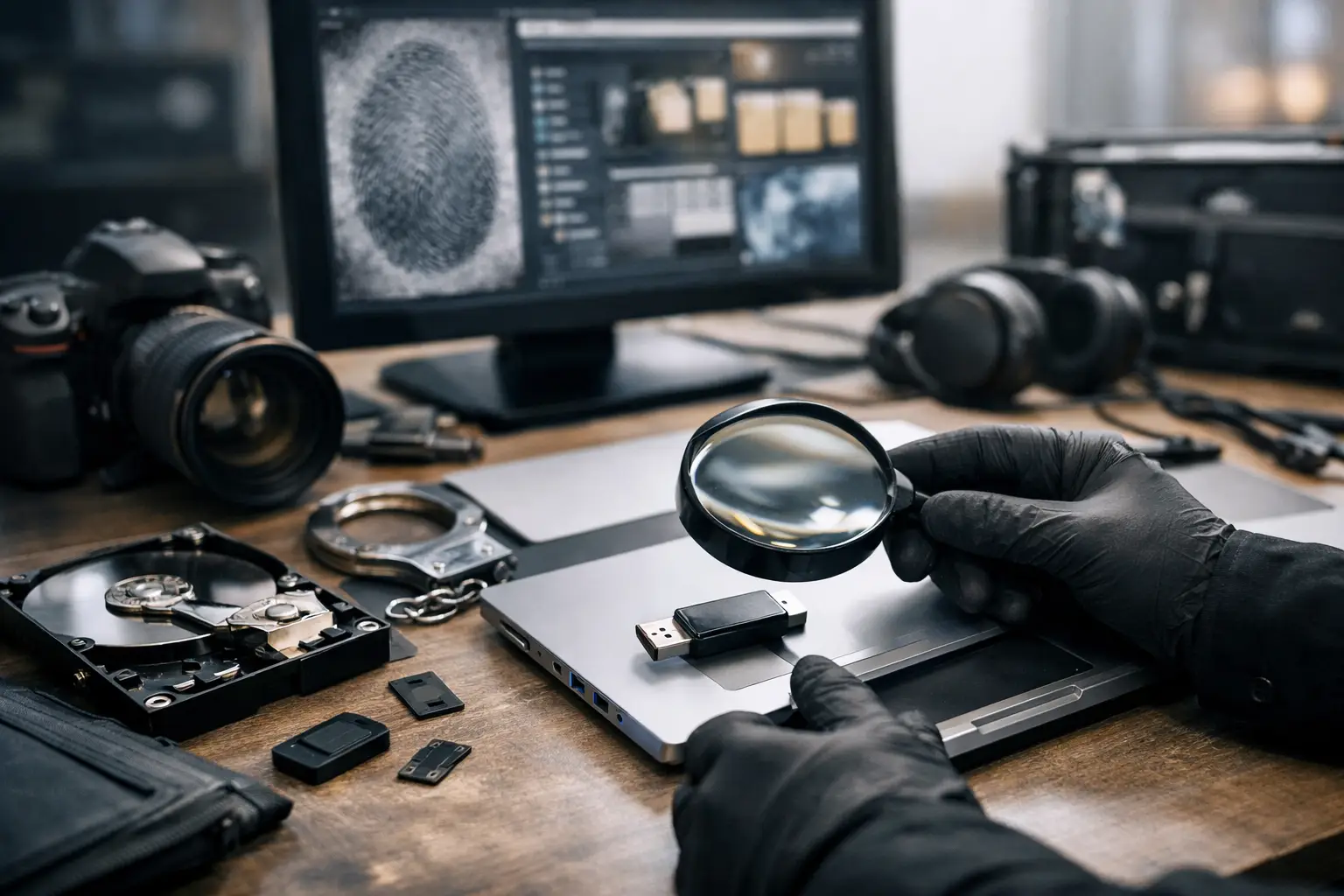
A screenshot can establish a critical fact, or become a weak point in a case. The difference is usually not the image itself. It is whether the best digital evidence tools were used to preserve where it came from, when it was collected, who handled it, and whether it was altered. For personal disputes, workplace misconduct, fraud inquiries, and legal matters, digital evidence must be handled with the same discipline as physical evidence.
The right tool depends on the question being investigated. A phone extraction platform may be appropriate for a device that has been lawfully obtained and authorized for examination. It is not a substitute for consent, legal authority, or a properly defined scope. Similarly, a social media capture tool can preserve public-facing content, but it cannot turn speculation or unlawfully accessed private messages into reliable evidence.
What Makes Digital Evidence Defensible?
Digital material is unusually easy to copy, edit, delete, or misinterpret. A forwarded chat message may omit earlier context. A downloaded file may lose useful metadata. A screen recording may show what appeared on a device but not prove who controlled the account. These issues do not make digital evidence unusable. They make method essential.
A defensible collection process should preserve the original source whenever possible, create a verifiable record of collection, limit unnecessary handling, and document each transfer or review. The objective is not simply to gather more data. It is to obtain material that can be explained clearly to a client, legal counsel, employer, insurer, or court.
This is particularly relevant in sensitive matters. An employee’s personal device, a spouse’s online account, company cloud storage, and location information can all involve significant privacy and legal concerns. Investigators should work only within lawful authority and the instructions of the client and relevant counsel. Evidence collected improperly can expose a client to risk and undermine an otherwise legitimate case.
Best Digital Evidence Tools by Investigative Need
There is no single platform that handles every form of electronic evidence well. A practical toolkit combines preservation, extraction, review, and reporting capabilities, with clear procedures around each one.
Forensic imaging and acquisition tools
Forensic imaging tools create a verified copy of a computer drive, removable media device, or other authorized storage source. Common forensic suites include FTK Imager, EnCase Forensic, and X-Ways Forensics. Their value lies in creating a forensic image while recording hash values – unique digital fingerprints that help demonstrate the copy matches the original.
These tools are suited to corporate theft, suspected data exfiltration, internal misconduct, and legal disputes involving documents or emails. They are less useful when the issue is limited to a few public posts or when the client does not have lawful access to the device. Full-disk acquisition can also produce far more data than a case requires, increasing review time and privacy exposure.
Mobile device examination tools
Smartphones often contain the most relevant evidence in modern cases: messages, call logs, photos, application data, location artifacts, and deleted records. Platforms such as Cellebrite UFED and Magnet AXIOM are widely used in forensic workflows for authorized mobile-device examination and analysis.
Mobile extraction is not a simple matter of connecting a phone and printing a report. Device model, operating system, encryption, lock status, cloud synchronization, and the authority to access the device all affect what can be collected. The strongest findings are usually corroborated with other records, such as carrier information, access logs, witness accounts, or time-stamped surveillance observations.
Online content and social media preservation tools
Public web content can change without warning. Posts are edited, profiles disappear, comments are removed, and stories expire. Web-preservation tools such as Page Vault and Hunchly can capture webpages with associated metadata, URLs, timestamps, and documentation of the collection process. This is materially stronger than relying on a cropped screenshot alone.
For a matrimonial matter, a public profile may support an inquiry but rarely tells the whole story. For a corporate investigation, public posts may reveal conflicts of interest, misrepresentation, or competitive activity, but context matters. The investigator should document what was visible publicly, avoid deceptive or unauthorized access, and distinguish confirmed facts from reasonable investigative leads.
Email, cloud, and document review platforms
Business disputes often involve large volumes of email, shared-drive files, chat exports, invoices, and attachments. Platforms such as Relativity and Nuix are designed to process, search, filter, and review substantial data collections. They can help identify communication patterns, duplicate records, keyword hits, and relevant document families without losing the relationship between an email and its attachments.
These systems are especially valuable when legal teams need a controlled review process. Their main trade-off is cost and complexity. For a narrowly defined matter involving a small set of records, a focused forensic collection and organized report may be more proportionate than enterprise-scale e-discovery software.
Video and image analysis tools
CCTV footage, body-worn video, dashcam recordings, and photographs require careful handling. Tools such as Amped FIVE can assist with image and video clarification, frame analysis, and documentation of enhancement steps. The purpose is not to create detail that was never present. It is to make existing information more visible and explain exactly how the file was processed.
Any enhancement should be reproducible and retained alongside the original file. A report should identify the original recording, the processing performed, the resulting output, and the limitations of the analysis. This protects against overstatement, particularly where identification or timing is disputed.
How to Choose the Best Digital Evidence Tools
The best choice is the one that fits the case scope and supports a documented, lawful process. Before selecting a platform, establish what must be proven, what data sources are legitimately available, and how the resulting material may be used.
A sound assessment considers four practical factors:
- Authority and privacy: Confirm ownership, consent, workplace policy, contractual rights, or other lawful authority before accessing devices, accounts, or records.
- Preservation quality: Favor tools that retain originals, record timestamps, generate hashes where applicable, and produce an audit trail.
- Reporting clarity: Choose workflows that allow findings to be explained in plain language, with exhibits that a nontechnical decision-maker can follow.
- Proportionality: Match the collection to the allegation. Excessive collection can create cost, delay, and privacy problems without strengthening the case.
A tool’s reputation alone is not enough. A sophisticated platform operated without proper procedure can create uncertainty about the evidence. Conversely, a limited but carefully documented collection may be highly useful when it addresses a specific issue directly.
Chain of Custody Is More Than a Form
Chain of custody records each stage of evidence handling, from the moment a device, file, or online record is identified through examination, storage, reporting, and possible disclosure. It should state who collected the material, when and where collection occurred, what method was used, where the original is stored, and who subsequently accessed it.
For digital files, hash verification provides an added control. If the hash value of the original and the forensic copy match, it supports the conclusion that the copy has not changed. That does not prove every interpretation of the data, but it establishes a reliable foundation for analysis.
Confidential storage is equally important. Sensitive evidence should not be circulated through personal email, unsecured messaging apps, or informal file-sharing arrangements. Access should be limited to those with a legitimate role in the matter, and retention periods should be defined in advance.
When Professional Handling Is the Better Option
Clients sometimes begin with screenshots, exported messages, or files provided by an employee. These may be useful leads, but they should be evaluated before decisions are made. Missing metadata, incomplete conversations, uncertain dates, and unclear origin are common problems.
For high-stakes matters, an experienced investigator can determine whether additional preservation is possible, identify gaps, and build a collection plan that respects privacy and legal boundaries. At Baker Street Private Investigator, digital forensic work is approached as part of a broader evidentiary strategy, not as a technical exercise detached from the facts of the case.
The most useful digital evidence is not necessarily the largest collection or the most dramatic screenshot. It is the material that answers a defined question, has been obtained responsibly, and can withstand careful scrutiny when the decision truly matters.