
15 August 2026
Chain of Custody Guide for Reliable Evidence
This chain of custody guide explains how to document, secure, transfer, and preserve evidence so it remains reliable for investigations and legal review.
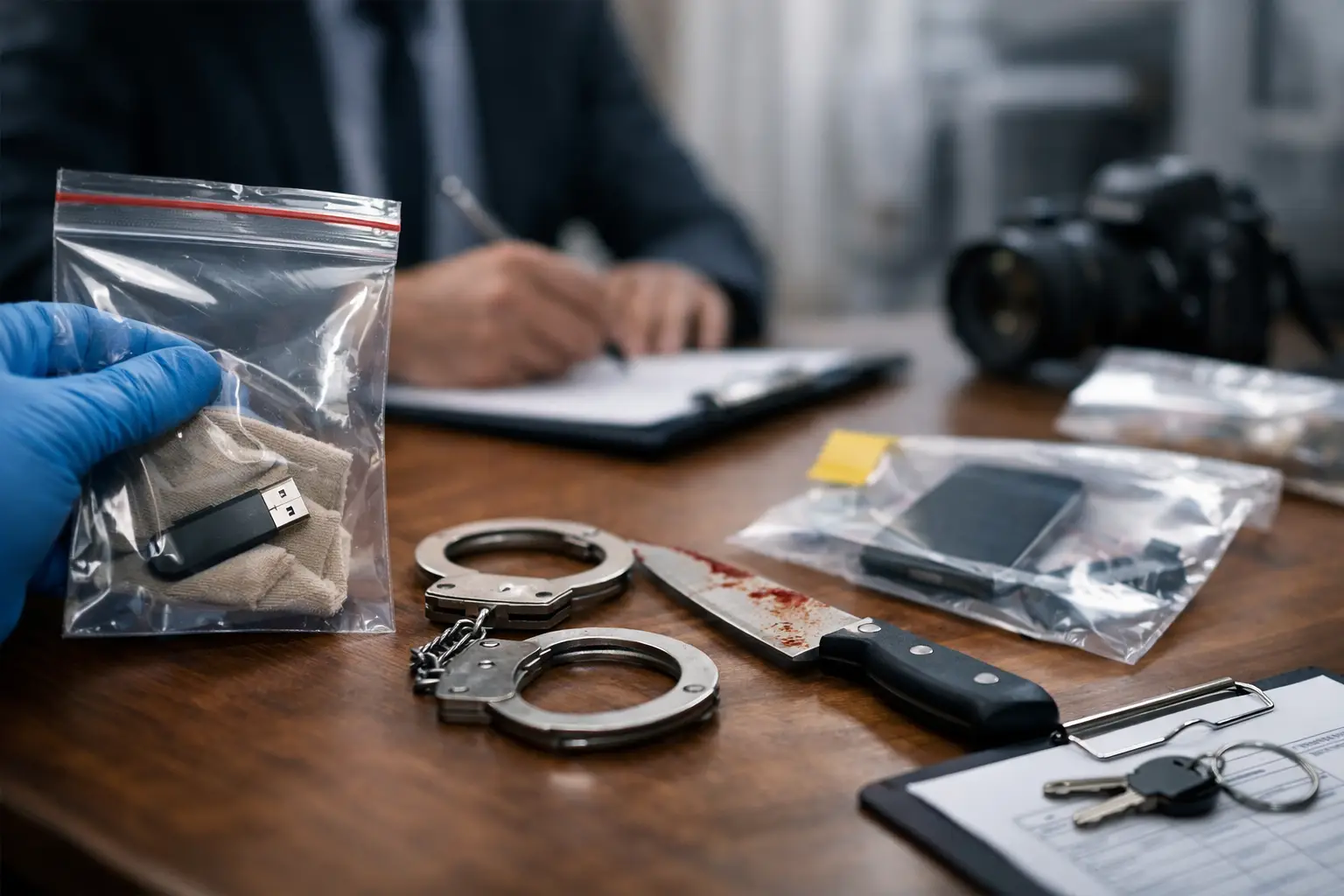
A photograph that appears to prove misconduct, a recovered device, or a signed document can lose much of its value if no one can show where it came from, who handled it, and whether it changed along the way. This chain of custody guide explains the discipline behind preserving evidence so that findings are credible, traceable, and suitable for serious personal, corporate, and legal decisions.
For a private client, that may mean protecting sensitive surveillance material in a matrimonial or custody-related matter. For a business, it may mean preserving records connected to suspected theft, fraud, a data breach, or a disputed workplace claim. In both situations, the objective is the same: establish a clear, defensible account of the evidence from collection through final review.
What a Chain of Custody Is
Chain of custody is the documented history of an item of evidence. It records what the item is, when and where it was obtained, its condition at collection, each person who took possession of it, and every transfer, examination, storage event, or disposition that followed.
It is not merely an administrative form. It is how an investigator demonstrates that a video file, mobile phone, invoice, access-card record, sample, or physical object is the same item originally collected. A complete record helps reduce questions about alteration, substitution, contamination, unauthorized access, or careless handling.
The standard of detail depends on the matter. A routine internal inquiry may require a controlled evidence log and secure access records. A matter expected to proceed to litigation, disciplinary proceedings, or law-enforcement referral may require more formal collection procedures, preservation notices, forensic copies, and detailed testimony about how evidence was handled.
Why the Chain of Custody Matters
Evidence is only useful when decision-makers can trust it. Legal counsel, company leadership, insurers, courts, and opposing parties may all examine whether an item was obtained lawfully and preserved properly. Gaps do not automatically make evidence unusable, but unexplained gaps can weaken its weight and create avoidable disputes.
A disciplined process protects more than admissibility. It helps prevent internal confusion. When several people have access to a case file, an evidence log identifies the current custodian, shows whether a copy or original was reviewed, and prevents staff from working from the wrong version of a document or recording.
For digital material, the issue is especially acute. A screenshot alone may not show its source, creation date, surrounding context, or whether it was edited. A properly preserved original file, supported by collection notes and integrity checks, gives the material a far stronger foundation.
Chain of Custody Guide: The Core Process
A reliable process begins before collection. Investigators should identify the likely evidence, assess the authority to obtain it, and decide how it will be recorded, packaged, stored, and accessed. Acting first and documenting later is where many avoidable problems begin.
1. Identify and document the item at collection
Assign each item a unique evidence reference number immediately. Record a plain, accurate description: for example, “black iPhone recovered from locked office cabinet” is more useful than “phone.” Note the date, time, precise location, collector’s name, item condition, and the circumstances of recovery.
Photographs or video may help document the item in its original setting before it is moved, where appropriate and lawful. For documents, identify the page count and visible condition. For a device, record its state at recovery, such as powered on, powered off, damaged, or connected to a network. Do not speculate in the evidence log. Record observable facts.
2. Protect the original evidence
Originals should be handled as little as possible. Physical items should be placed in suitable packaging, labeled, and sealed in a way that reveals any later opening. The person sealing the package should initial or sign the seal and record the date.
Digital evidence requires equally careful preservation. The original device or source media should be secured, while examination is performed on a properly created forensic copy when the case requires it. Investigators may use cryptographic hash values to verify that a copied file or drive remains identical to the acquired version. The particular method should fit the device, data type, risk level, and applicable legal requirements.
3. Record every handoff and access event
Every transfer should be documented at the time it occurs, not reconstructed from memory days later. The record should state who released the item, who received it, the date and time, the purpose of the transfer, and the item’s condition. If an evidence bag is opened for examination, document who opened it, why, when it was resealed, and whether the seal appeared intact beforehand.
The same principle applies to digital files. Record who uploaded, downloaded, copied, reviewed, exported, or shared the material. Controlled permissions and audit logs are useful, but they do not replace investigator notes explaining why access occurred.
4. Store evidence securely and limit access
Evidence storage should be secure, organized, and limited to authorized personnel. Physical material may require a locked cabinet, dedicated evidence room, or other controlled location. Digital material should be encrypted where appropriate, protected by access controls, and backed up in a manner that preserves auditability.
Access should be based on case need, not convenience. Giving a broad group of employees unrestricted access to an allegation file can compromise confidentiality and complicate the chain of custody. Sensitive records may also contain personal data, trade secrets, or legally privileged information that requires additional safeguards.
5. Preserve context, not just the item
An isolated item can be misleading. A single chat message may require surrounding messages to establish meaning. A surveillance clip may need start and end times, camera location, device settings, and information about how the recording was exported. Financial records may need source-system details, relevant date ranges, and a record of who provided them.
Context notes should be factual and separate from investigative conclusions. This distinction matters. The custody record explains what happened to the evidence; the investigative report explains what the evidence may indicate.
Common Errors That Put Evidence at Risk
The most damaging problems are often basic: collecting an item without recording its location, allowing multiple people to handle an original, forwarding evidence through personal messaging accounts, or editing a video before retaining the unedited source. These actions can make it difficult to establish authenticity later.
Other risks are less obvious. A manager who conducts an informal employee interview may receive screenshots or documents and then leave them in an unsecured inbox. A concerned spouse may access an account without permission and unknowingly create legal exposure. A staff member may try to “clean up” a spreadsheet, changing metadata and formulas that could be relevant to a fraud inquiry.
The appropriate response depends on the facts. Do not destroy, alter, conceal, or publicly distribute potentially relevant material. Secure it, restrict access, and obtain legal or investigative guidance before taking further steps. In sensitive cases, early professional advice can prevent a recoverable issue from becoming a serious evidentiary problem.
A Practical Evidence Log
A chain-of-custody record should be simple enough to use consistently and detailed enough to withstand scrutiny. At minimum, maintain the following information:
- Unique case number and evidence item number
- Item description, source, and collection location
- Date, time, and name of the collecting person
- Condition of the item and seal or packaging details
- Every transfer, examination, storage location, and return
- Names, signatures or confirmations, and the purpose of each action
Use one record per evidence item, even when multiple items are collected at the same scene. If an item is split into copies, extracts, or samples, create a clear relationship between the original and each derivative. A vague reference such as “files from laptop” is not enough when a case later turns on a specific document.
When Professional Collection Is the Better Choice
Not every issue requires a formal investigation. A business may be able to preserve ordinary records internally through its established compliance process. A private individual may simply need to retain lawful communications and contemporaneous notes for legal advice.
However, professional collection is often appropriate when the matter involves suspected fraud, workplace misconduct, disputed digital evidence, missing assets, potential litigation, or a high-conflict family issue. An experienced investigator can work with counsel and relevant specialists to collect material discreetly, maintain a clear evidentiary trail, and prepare factual reporting without overstating what the evidence proves.
For Singapore-based matters, a licensed agency such as Baker Street Private Investigator can apply court-conscious evidence handling while respecting confidentiality and the operational limits that apply to private investigations. No investigator can guarantee a court’s ruling on admissibility, but disciplined collection and documentation place the evidence in the strongest possible position for review.
When the facts matter, treat evidence as if an independent person will need to understand every decision made about it months later. That single standard encourages the care, restraint, and documentation that sensitive cases demand.