
19 November 2026
Forensic Software Review for Defensible Evidence
A forensic software review assesses tools, evidence integrity, and reporting practices, helping personal and corporate findings withstand legal scrutiny.
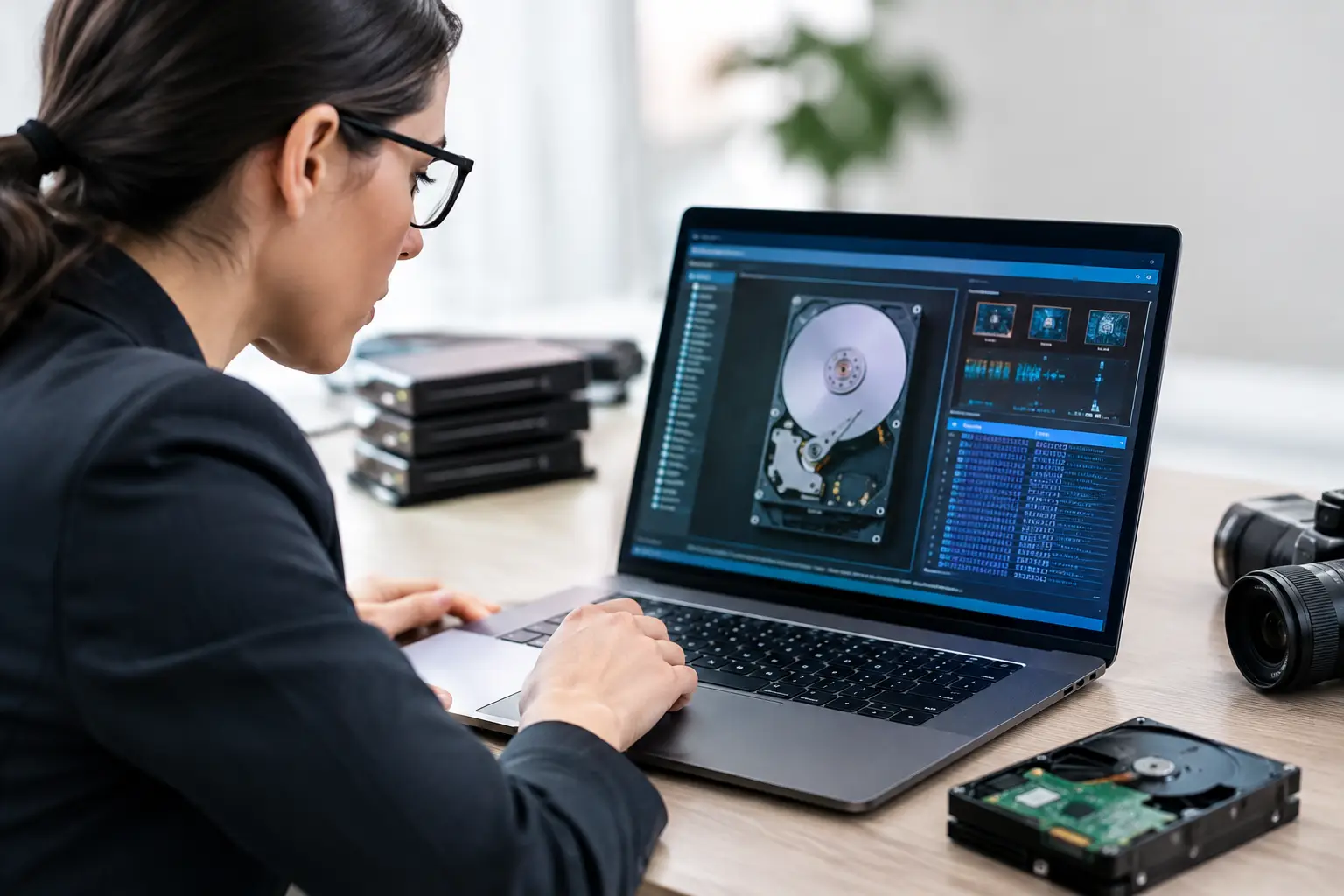
A single exported chat, access log, or recovered file can change the direction of a dispute. But digital material is only as credible as the process used to identify, preserve, examine, and explain it. A forensic software review evaluates whether the tools and methods used on electronic evidence can produce findings that are accurate, repeatable, and defensible under scrutiny.
For private clients, this may arise when messages, location records, or files are relevant to a matrimonial, custody, or missing-person matter. For businesses, it may involve suspected employee misconduct, data theft, fraud, unauthorized system access, or a disputed workman compensation claim. In each case, the question is not merely what a device appears to contain. It is whether the evidence can be shown to be authentic, lawfully obtained, and reliably interpreted.
What a Forensic Software Review Examines
A forensic software review is a structured assessment of the software, settings, workflows, and outputs used to examine digital evidence. It can be conducted before an investigation begins, while a matter is active, or after another party has produced electronic findings that require independent assessment.
The review may cover forensic acquisition tools, mobile-device examination platforms, email and cloud-data collection utilities, video analysis applications, file-recovery software, and log-analysis systems. The appropriate scope depends on the evidence source and the decision at stake. A review of CCTV enhancement software, for example, has different technical questions from an examination of a company laptop or a mobile phone.
The central objective is to determine whether the software is suitable for its stated purpose and whether it was used correctly. A recognized tool does not automatically make a finding reliable. Version differences, unsupported file types, incorrect time-zone settings, incomplete data collection, and analyst error can all affect the result.
Tool suitability and validation
A professional review considers whether the selected software can reliably process the device, operating system, application, or file format involved. Some tools extract only data that is readily available. Others may recover deleted artifacts, system records, or fragments of application data. Those distinctions must be clear in the final findings.
Validation is equally important. A reviewer may compare results across more than one tool, test an output against known data, or inspect raw records where necessary. Cross-checking does not mean every case requires several platforms. It means the examiner should have a sound basis for relying on the result, particularly when a single artifact may carry significant legal or commercial consequences.
Evidence integrity and chain of custody
Digital evidence is vulnerable to alteration, whether deliberate or accidental. Opening a device, syncing an account, changing system settings, or copying files without proper controls can affect records that later become important. A forensic process should preserve the original source and document each person who handled it, when it was handled, and what was done.
A software review examines whether the collection method preserved data integrity. This can include the use of forensic images, cryptographic hash values, write-protection measures, and documented export procedures. Hash values are digital fingerprints that help demonstrate whether a copied file or device image has changed after collection.
For a client, this documentation provides more than technical reassurance. It gives legal counsel, management, insurers, or other decision-makers a clear record of how the evidence moved from source to report.
Configuration, timestamps, and context
Software settings can influence what an examiner sees. Time zones, clock drift, language settings, search parameters, data filters, and parsing rules may alter the presentation of events. A message timestamp may reflect when a device sent it, when a server recorded it, or when a local application displayed it. Treating those times as identical can create a misleading timeline.
A careful reviewer checks how the software defines and converts dates, whether the device clock was accurate, and whether a reported artifact has been interpreted in its proper context. This is particularly relevant in matters involving alleged movements, communications, access to confidential information, or the sequence of events surrounding an incident.
When an Independent Review Is Necessary
Not every digital inquiry requires a full independent assessment. If the issue is internal fact-finding and the evidence is straightforward, a focused collection and report may be sufficient. The need for a forensic software review increases when the matter is likely to be disputed, escalated, or placed before a court, tribunal, insurer, or disciplinary panel.
An independent review is often prudent where findings depend heavily on deleted data, metadata, recovered chat records, geolocation information, or video enhancement. It is also valuable when a party has supplied screenshots without original files, a former employee has handled relevant devices, or an organization needs to assess the work of an outside vendor.
For corporate clients, early review can prevent a costly mistake. An IT team may be highly capable of maintaining systems, yet incident response and evidentiary preservation require a different discipline. Routine system actions, including account resets or device reimaging, can destroy information that may later be needed to establish what occurred.
For individuals, a review can separate verifiable facts from assumptions. Screenshots can be edited, messages can be selectively presented, and device artifacts can be misunderstood. The purpose is not to force a preferred conclusion. It is to establish what the available records can, and cannot, support.
A Disciplined Review Process
An effective engagement begins by defining the question. Is the goal to establish whether files were copied? To verify whether a conversation is complete? To assess whether location evidence is dependable? Broad instructions such as find everything can lead to unnecessary collection, higher costs, and privacy concerns. A precise question supports a proportionate strategy.
The next step is to identify relevant evidence sources and the authority to access them. Devices, cloud accounts, business servers, email archives, CCTV systems, and removable media may all be relevant, but access must be lawful and properly authorized. A professional investigator does not bypass passwords, access private accounts without authority, or obtain data through unlawful means. Those shortcuts can expose clients to serious risk and may compromise otherwise useful evidence.
Once evidence is preserved, the reviewer documents the software used, versions, settings, examination steps, and quality-control checks. Findings should distinguish directly observed data from reasonable inferences. For example, a log may show that a user account accessed a file at a particular time. It may not, by itself, prove who was physically operating the computer or what they did with the file afterward.
The final report should be intelligible to a nontechnical reader while retaining enough detail for legal or technical examination. It should state the scope, source materials, methodology, relevant limitations, findings, and supporting exhibits. Where evidence is inconclusive, that should be said plainly. Overstating a technical result can do more harm than acknowledging uncertainty.
Questions to Ask Before Engaging a Provider
The quality of a review depends on the people and procedures behind the software. Before appointing a provider, clients should ask whether the work will be performed by qualified personnel, how original evidence will be preserved, and how access and confidentiality will be controlled. They should also ask what reporting they will receive and whether the investigator can explain the findings in a legal or business setting.
It is reasonable to request clarity on scope and cost. A targeted review of a small number of files may be completed efficiently. A matter involving multiple devices, encrypted data, cloud accounts, or large volumes of video will require more time and may need phased work. A credible provider will explain these variables before making promises about outcomes.
For Singapore matters, clients should also confirm that the agency is properly licensed and operates with an understanding of local investigative standards. BSPI approaches digital matters with the same discipline applied to physical surveillance and legal investigations: protect confidentiality, preserve evidence carefully, and report facts with precision.
The Value of Evidence That Can Be Explained
Software can process an extraordinary amount of data, but a report is only useful when its conclusions can be understood and defended. The strongest forensic work does not rely on technical jargon or dramatic claims. It connects each conclusion to a documented source, a reliable method, and a clearly stated limitation.
When personal relationships, commercial interests, or legal rights are at stake, acting quickly may be necessary. Acting carelessly is not. Preserve the relevant device or records, avoid altering the source, and seek a discreet professional assessment before critical evidence is lost or its reliability is called into question.