
16 October 2026
GPS Tracking Legality: What You Can Lawfully Do
GPS tracking legality depends on ownership, consent, purpose, and local law. Know when tracking creates risk and how evidence can be lawfully gathered.
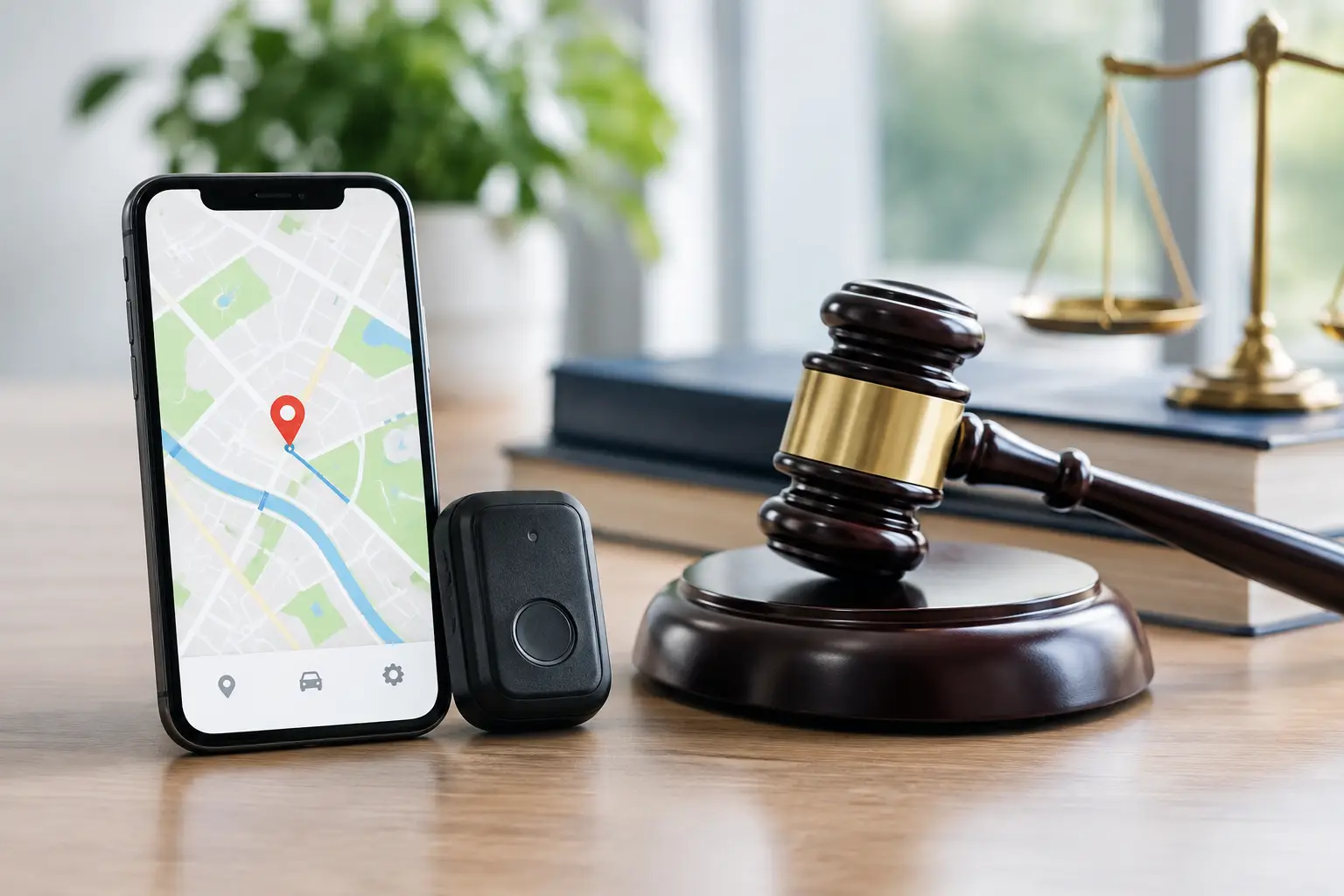
A small GPS device can answer a difficult question quickly: where is a vehicle going, how long is it there, and does the pattern match what someone has said? But GPS tracking legality is not determined by the size of the device or the strength of a suspicion. It turns on whose property is involved, who has a legitimate right to monitor it, how the data is collected, and which jurisdiction governs the conduct.
For private individuals and businesses, the practical risk is clear. Tracking carried out without proper authority can expose the person using the device to civil claims, criminal allegations, privacy complaints, and evidence that becomes difficult to use. A lawful investigation begins before any device is purchased or placed.
GPS Tracking Legality Starts With Authority
The first question is not whether a tracker can be installed without detection. It is whether you have the legal authority to install and use it.
Ownership is relevant, but it is not always decisive. A business that owns a vehicle may have a stronger basis to monitor its fleet than an individual who wants to track a spouse’s car. Even where a company owns the vehicle, employee privacy expectations, workplace policies, union terms, local privacy laws, and the purpose of monitoring can affect the analysis.
Consent is often the clearest path. A written policy or agreement that explains what is tracked, when tracking occurs, why data is collected, who may access it, and how long it is retained creates a more defensible position than undisclosed monitoring. Consent should be genuine and informed, not buried in vague language that gives an organization unlimited permission to watch a person.
Purpose matters as well. Tracking a company vehicle during working hours to protect assets, verify deliveries, or investigate a credible fraud concern may be easier to justify than monitoring an employee’s personal movements after work. Similarly, a parent may have a legitimate safety concern involving a minor, but that does not automatically authorize tracking another adult or placing a device on property they exclusively control.
When GPS Tracking Becomes High Risk
Covert tracking is particularly sensitive when it is used to monitor a spouse, former partner, employee, or other person with an expectation of privacy. Personal suspicion, however understandable, is not a legal defense by itself. Placing a device on someone else’s vehicle, entering private property to install it, or using tracking data to confront, threaten, harass, or repeatedly follow someone can create serious legal exposure.
In the United States, rules vary by state. Some states specifically restrict the use of electronic tracking devices without consent, while others address the conduct through stalking, harassment, trespass, wiretapping, privacy, or vehicle-related laws. Federal and state court decisions may also affect whether location data can be collected or used in a particular context. A rule that appears straightforward in one state may not apply in another.
For matters connected to Singapore, clients should also avoid assuming that personal concern alone gives them a right to conduct covert surveillance. Privacy obligations, harassment-related offenses, trespass issues, and the circumstances of data collection may all be relevant. A licensed investigator will assess the proposed method against the facts rather than offering a one-size-fits-all answer.
The method of installation can be as significant as the tracking itself. Entering a locked car, damaging property, or entering a garage or private lot without permission may create separate offenses or claims. So can accessing a tracking app account, phone, or shared digital account without authorization. Digital access is not a substitute for lawful authority.
Shared Vehicles Are Not a Free Pass
Shared use of a vehicle creates gray areas, not automatic permission. A jointly titled car may still be used primarily by one partner, and the other person may reasonably expect privacy in their movements. Lease agreements, insurance arrangements, possession, and the relationship between the parties can all matter.
The safest approach is to avoid self-installation where the facts are disputed or emotionally charged. If the tracking is intended to support family-law proceedings, an employment dispute, or a criminal complaint, seek legal advice before acting. Evidence gathered recklessly can weaken the wider case.
Business GPS Tracking: Legitimate Need, Defined Limits
Businesses often have legitimate reasons to use vehicle tracking. Fleet safety, route planning, fuel-loss investigations, protection of high-value equipment, confirmation of service visits, and response to unauthorized vehicle use are common examples. The legal and operational standard should be proportionality: collect what is necessary for a defined business purpose, not every available detail simply because the technology allows it.
A clear vehicle-monitoring policy should identify the vehicles covered, the business purpose, the times tracking may occur, the categories of employees or contractors affected, and the limits on personal use. It should also identify who can view location data and under what circumstances. Location histories can reveal sensitive patterns, including home addresses, medical visits, religious attendance, and family routines. Access should be restricted accordingly.
Businesses should establish a retention period. Keeping location records indefinitely increases privacy and security risk without necessarily improving an investigation. If a specific incident requires preservation, retain the relevant records, document why they were preserved, and protect them from alteration.
A credible misconduct investigation should not rely on location data alone. GPS records can show where a vehicle or device was located, but they may not establish who was driving, why the vehicle was there, or what occurred at that location. Dispatch logs, expense records, access-control data, witness accounts, inventory reports, and properly conducted observation may be needed to reach a fair conclusion.
Can GPS Evidence Be Used in Court?
Potentially, but lawful collection and careful handling are essential. Courts and legal teams may examine who obtained the data, whether the tracker was installed with authority, whether the records are complete, whether timestamps are reliable, and whether the evidence has been altered.
For this reason, screenshots from a consumer tracking app are rarely the full answer. A defensible evidentiary record should preserve the original data where possible, document the device and account involved, record relevant dates and times, and maintain a clear chain of custody. Investigators must also distinguish observation from assumption. A vehicle parked at an address is a fact. Claims about what happened inside are not established without additional evidence.
Court-conscious evidence collection protects both the client and the integrity of the matter. It reduces the risk that a useful lead becomes a liability during settlement discussions, disciplinary action, or litigation.
A Lawful Way to Investigate Concerns
When there is a genuine concern about infidelity, employee misconduct, misuse of a company vehicle, hidden assets, or a fraudulent claim, begin by defining the question you need answered. Broad monitoring driven by anxiety often produces excessive data and avoidable risk. A focused question supports a focused, proportionate investigative plan.
Next, gather documents you already have lawful access to, such as company vehicle policies, employment agreements, mileage records, expense claims, dispatch schedules, or communications provided voluntarily. Do not access another person’s phone, email, cloud account, or location-sharing account without clear authorization.
Then obtain jurisdiction-specific legal advice if the proposed work may affect a spouse, employee, former partner, customer, or other individual. Counsel can advise on consent, notification, evidence use, workplace rules, and the appropriate boundaries for the investigation.
Where professional fieldwork is appropriate, use a licensed, discreet investigator with experience in lawful surveillance and evidence handling. At Baker Street Private Investigator, each case strategy is assessed against the client’s objective, the available lawful methods, and the need for reliable reporting. The aim is not to collect the most data. It is to establish relevant facts without creating unnecessary exposure for the client.
If You Believe Someone Is Tracking You
An unexplained tracker can be unsettling, especially where there is a history of controlling behavior, threats, or harassment. Do not immediately discard or destroy a suspected device if you may need to report the matter. Photograph it in place if safe, record where and when it was found, and seek assistance from law enforcement, legal counsel, or a qualified technical professional.
If there is an immediate safety concern, prioritize personal safety over preserving evidence. Go to a safe location and contact emergency services. Avoid confronting a suspected person alone based solely on location data or a device discovery.
The right investigative method is the one that produces clarity without crossing the line. When location information may matter, disciplined planning, lawful authority, and professional evidence handling give you a far stronger foundation than covert action taken in the moment.