6 October 2026
How to Identify Document Fraud Before It Spreads
Learn how to identify document fraud, verify suspicious records, and preserve evidence before false paperwork causes personal or business loss or harm.
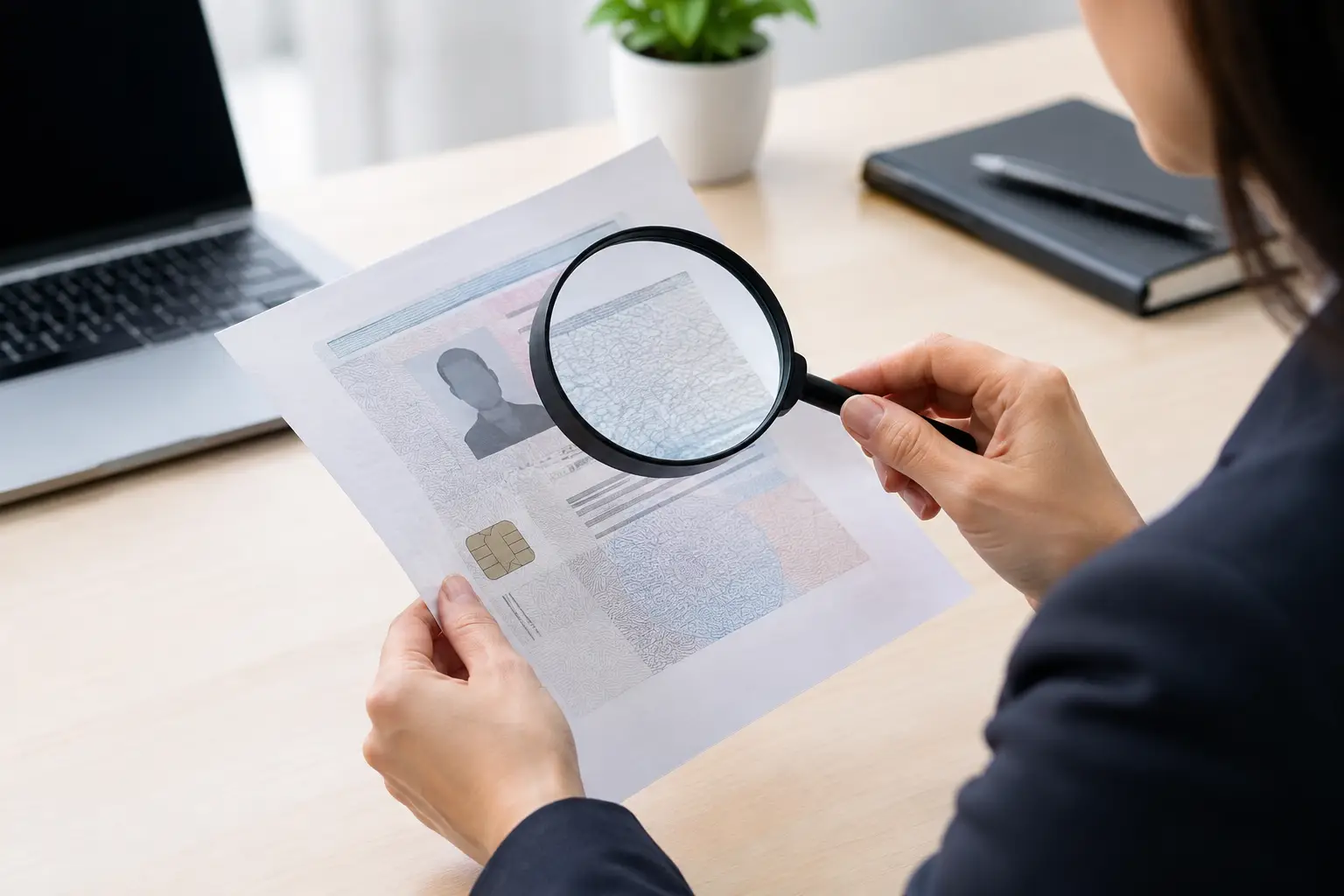
A document can look convincing long enough to trigger a payment, influence a hiring decision, alter a legal position, or damage a personal relationship. To identify document fraud, do not rely on appearance alone. Review the document in context, confirm the source independently, and preserve every relevant detail before confronting the person involved.
For individuals and businesses, the risk is rarely limited to one questionable page. A forged letter may support a false insurance claim. An altered bank statement may conceal assets. A fabricated invoice may disguise employee theft. The most effective response is measured, discreet, and evidence-focused.
What Document Fraud Can Look Like
Document fraud occurs when a record is created, altered, used, or presented to deceive another party. It can involve an entirely fabricated document, but it also includes genuine records that have been edited after issue. A changed date, substituted bank account number, added signature, or altered figure can be enough to create serious financial or legal exposure.
Common examples include falsified employment records, medical certificates, contracts, purchase orders, invoices, expense claims, identity documents, academic credentials, financial statements, and correspondence presented as official. In personal matters, concerns may arise around divorce filings, custody-related records, proof of residence, debt documents, or evidence of hidden income.
The document itself is only one part of the inquiry. The central question is whether the record is authentic, accurate, and legitimately connected to the person or transaction it claims to represent.
How to Identify Document Fraud Through Careful Review
Begin with the basics: who issued the document, when was it created, and why was it provided? Fraud often becomes visible when a record does not fit the surrounding facts. A vendor invoice may refer to services nobody requested. A salary statement may conflict with payroll records. A letter from an institution may use a generic email address rather than an official contact channel.
Examine the document closely, but avoid treating one visual irregularity as proof. Different printers, scanned copies, templates, and software versions can create legitimate variation. What matters is whether several inconsistencies point in the same direction.
Pay close attention to typography, spacing, alignment, and formatting. Uneven margins, mismatched fonts, changes in text sharpness, irregular logo placement, and inconsistent capitalization can suggest that content was inserted or replaced. Numbers deserve particular scrutiny. A digit may be overwritten, decimal points may move, and totals may fail to match the individual line items.
Dates and timelines are equally revealing. Check whether the stated date falls on a weekend or public holiday when the issuing office was closed, whether a document refers to a company name that was not yet in use, or whether a signature predates the signatory’s employment. A record can be professionally designed and still be impossible within the known timeline.
For electronic files, review the file name, format, and available metadata with care. A PDF that claims to be an original may have been produced recently from an editable file. However, metadata can be changed or lost during forwarding and scanning. It is a useful lead, not a final answer.
Verify the Source, Not Just the Paperwork
Direct verification is often the strongest next step. Do not use contact details printed on the suspicious document without first confirming they are genuine. A false invoice may include a phone number answered by an accomplice. A fake verification letter may direct you to a convincing but fraudulent email address.
Instead, locate the organization’s official contact details independently through trusted records, prior correspondence, or established business channels. Ask whether the organization issued the document, whether the reference number is valid, and whether the stated information is accurate. Keep a clear record of who was contacted, when, and what was confirmed.
Businesses should compare the questioned record against original source material. This may include vendor onboarding records, approved purchase orders, delivery confirmations, payment approvals, HR files, system access logs, and prior versions of the document. In many cases, fraud is uncovered through a mismatch between a document and the normal approval process rather than a visible flaw on the page.
Individuals should be careful not to alert a suspected party prematurely, especially where assets, child custody, employment, or legal proceedings may be involved. A person who knows they are being questioned may destroy records, revise their account, or pressure others to support a false narrative.
Preserve Evidence Before It Changes
When a document appears suspicious, preserve it in the form received. Keep the original paper document in a safe place and avoid writing on it, stapling it, or making unnecessary marks. For digital records, retain the original email, attachment, message thread, and file rather than relying only on a screenshot or printed copy.
Create a factual note recording when and how the document came into your possession, who sent it, and why it raised concern. Keep the language neutral. Write “invoice amount differs from approved purchase order” rather than “employee forged invoice.” Early conclusions can be wrong, and factual notes are more useful if the matter later requires legal review.
Where possible, preserve related records in their original state. This may include email headers, access logs, transaction histories, CCTV retention notices, delivery records, or communications with the issuing organization. Access should be limited to those with a legitimate need to know. Wide internal circulation can compromise confidentiality and make an investigation more difficult.
When an Informal Check Is Not Enough
Some discrepancies can be resolved quickly. A supplier may have used an outdated template, or an administrator may have entered the wrong date. The response should be proportionate to the risk.
A formal investigation is appropriate when the document may support theft, false claims, regulatory breaches, litigation, identity misuse, or significant personal harm. It is also warranted when there is a pattern of irregular records, an involved employee has access to financial or sensitive systems, or the matter may become disputed.
An experienced investigator can help establish a defensible timeline, verify sources discreetly, identify related records, and document findings in a clear report. Where digital files are central to the concern, proper forensic handling matters. Opening, forwarding, editing, or casually copying a file can affect what information remains available for examination.
For employers, legal teams, and compliance leaders, the goal is not simply to prove wrongdoing. It is to establish the facts while respecting privacy obligations, employment procedures, and applicable law. Interviews, account reviews, surveillance, and device examination should be planned carefully. The wrong approach can create avoidable legal, operational, and reputational risk.
A Practical Response to Suspected Fraud
If you suspect a record is false, take four disciplined steps: secure the original, verify the issuer through an independent channel, preserve associated communications and records, and obtain professional advice before making an accusation or taking action.
Do not delete emails, confront a suspected employee in anger, or circulate allegations based on a single inconsistency. Equally, do not ignore a concern because the document appears polished. Modern editing tools make visual credibility easy to manufacture, while genuine documents can contain innocent administrative errors.
The right response depends on the document’s purpose, the potential loss, and the likelihood of dispute. A questionable receipt may require a simple internal check. A disputed contract, altered financial record, or falsified claim may require discreet evidence gathering that can withstand scrutiny.
When Certainty Matters
Document fraud thrives when people feel pressured to accept paperwork at face value. A calm, methodical review protects both the innocent and the affected party: it distinguishes an administrative mistake from deliberate deception and keeps decisions grounded in verifiable facts.
If the consequences are personal, financial, or legal, treat the document as evidence, not merely as paperwork. Preserve it carefully, keep your inquiry confidential, and seek qualified investigative support before the opportunity to establish the truth is lost.