
30 October 2026
Best Surveillance Evidence Tools for Reliable Cases
See how the best surveillance evidence tools document facts discreetly, preserve integrity, and support informed legal and business decisions with care.
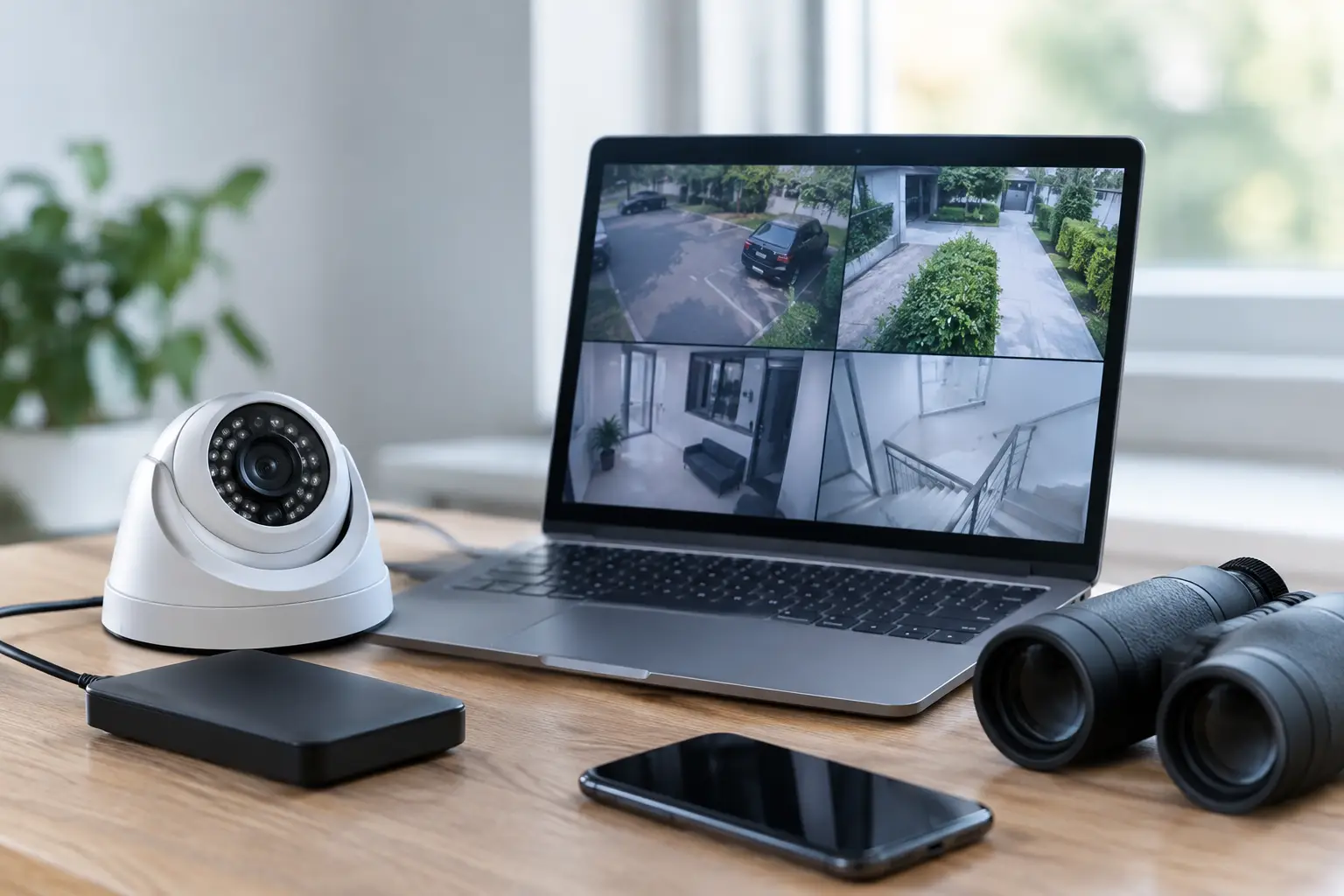
A blurred clip, an unexplained timestamp, or a file passed from phone to phone can weaken an otherwise valid case. The best surveillance evidence tools are not simply the newest cameras or tracking devices. They are the tools, systems, and handling practices that help investigators document relevant facts discreetly, lawfully, and in a form that can withstand scrutiny.
For personal and corporate matters, the objective is clarity. A client may need to verify suspicious conduct, establish a timeline, investigate a compensation claim, or understand whether company information has been misused. In each situation, the evidence must be relevant, accurately recorded, and gathered with proper regard for privacy and applicable law.
What the Best Surveillance Evidence Tools Actually Do
Effective surveillance tools serve a clear investigative purpose. They allow an investigator to observe activity from a lawful location, preserve what occurred, and connect the material to a specific date, time, place, and subject. They should reduce guesswork, not create it.
The right tool depends on the assignment. A matrimonial investigation may call for discreet mobile observation and high-quality visual documentation. A suspected employee misconduct matter may require access-log analysis, properly authorized digital review, and surveillance of publicly observable conduct. A work-related injury claim may require repeated observations over time to compare reported limitations with actual activity.
Equipment alone does not make evidence reliable. Operator judgment matters just as much. Investigators must recognize what is relevant, avoid assumptions, maintain a clear chronology, and report only what the evidence supports.
Core Tools Used in Professional Surveillance
High-resolution photo and video equipment
Professional cameras with strong low-light performance, image stabilization, optical zoom, and dependable timestamp settings remain central to field surveillance. The goal is not dramatic footage. It is clear footage that accurately identifies actions, locations, vehicles, and sequences of events without unnecessary intrusion.
A camera must be used from a lawful vantage point and with discipline. Wide shots can establish location and context, while closer shots may clarify identity or activity. Both can be necessary. A close image without context may be challenged, while a distant image may not show enough detail to be useful.
Video should be retained in its original format whenever possible. Editing a clip for presentation may be helpful later, but the original file should remain preserved so its authenticity can be assessed.
Time, location, and observation logs
A detailed surveillance log is one of the most valuable evidence tools in any case. It records where the investigator was positioned, when an observation began and ended, what was seen, and how any photos or video relate to the events observed.
This documentation gives visual material meaning. For example, footage of a person entering a building has limited value without a reliable record of the location, date, time, and surrounding activity. A contemporaneous log also helps distinguish direct observation from information provided by a client or another source.
For corporate investigations, logs can be compared with attendance records, delivery records, access-control events, or approved work schedules. The result is a more complete and defensible factual picture.
Lawfully authorized vehicle and location data
Location information can be highly useful when investigators need to establish travel patterns, corroborate a timeline, or identify repeated meetings or visits. However, this area requires particular care. The legal authority to use a tracking device or access location data depends on ownership, consent, employment arrangements, and the circumstances of the case.
A device should never be treated as a shortcut around privacy obligations. Professional investigators assess whether the proposed method is lawful and proportionate before deployment. Where tracking is not appropriate, physical surveillance from lawful public locations may provide the necessary observations without overreaching.
Location data also requires interpretation. A recorded point on a map may show where a device was, not necessarily who was using it or what occurred there. It should be assessed alongside direct observations and other verified records.
Digital forensic collection tools
Many disputes now leave evidence on phones, computers, business systems, and cloud accounts. Digital forensic tools can preserve data from authorized devices, recover relevant artifacts, and document file activity in a way that minimizes alteration of the original source.
For business clients, this may include reviewing company-issued devices, email records, system access history, or data-transfer activity where the organization has appropriate authority. For private matters, access to another person’s accounts or devices without authorization can create serious legal and privacy risks. A legitimate investigative strategy does not rely on unlawful access.
The strongest digital process creates a verifiable record of collection. This may include forensic copies, hash values that help confirm file integrity, extraction reports, and records of who handled the data at each stage.
Secure evidence storage and case-management systems
Evidence can lose value when it is poorly stored. Files sent through informal messaging channels, renamed without explanation, or kept only on a personal phone create avoidable questions about completeness and authenticity.
Secure storage systems protect original photos, video, reports, and supporting documents. They should control access, preserve creation details, and maintain an audit trail where possible. Encryption and appropriate retention practices are especially important when a matter involves sensitive personal information, confidential business records, or potential legal action.
At Baker Street Private Investigator, evidence handling is treated as part of the investigation itself. Confidentiality, secure preservation, and clear reporting are essential to providing findings a client can act on.
How to Choose Surveillance Tools for Your Case
The best choice begins with the question the evidence must answer. If the issue is whether a person attended a particular location, an observation log and corroborating video may be enough. If the concern involves data theft, a forensic review of authorized company systems may be more relevant than physical surveillance. If the case may proceed to a legal dispute, preservation and chain of custody should be considered before any evidence is collected.
Three practical factors should guide the decision: legality, reliability, and proportionality. A tool must be used within applicable legal and privacy boundaries. It must produce information that can be explained and verified. And it should be no more intrusive than the circumstances require.
Cost is also a legitimate consideration, but inexpensive equipment can create expensive problems. Poor image quality, unreliable timestamps, missing source files, or incomplete records may limit whether the material can support a complaint, internal decision, settlement discussion, or legal process.
Evidence Integrity Matters More Than a Device List
Clients sometimes ask which camera, tracker, or software is “best.” The more useful question is whether the resulting evidence can be trusted. Reliability comes from the full process: lawful planning, trained collection, accurate note-taking, secure preservation, and factual reporting.
Chain of custody is particularly important where evidence may be reviewed by lawyers, insurers, employers, or the courts. It should be possible to explain when an item was collected, who had access to it, whether it was copied or exported, and how the original was protected. Gaps do not automatically make evidence unusable, but they can invite challenge.
A professional report should separate verified observations from conclusions. It should identify dates, times, locations, and relevant supporting material without exaggeration. This is what turns isolated images or records into actionable evidence.
When Professional Surveillance Is the Safer Option
Sensitive cases carry risks beyond the evidence itself. An untrained person conducting surveillance may be noticed, confront the subject, misinterpret what they see, or cross legal boundaries. In a corporate setting, poorly managed monitoring can also create employee-relations, privacy, and compliance concerns.
A licensed investigator can develop a case-specific plan, determine the appropriate tools, and adjust the approach as facts emerge. Professional handling is especially valuable when a matter involves suspected infidelity, child custody concerns, employee fraud, workplace misconduct, missing persons, or disputed compensation claims.
If you need answers, begin by defining the decision you need to make and the facts that would genuinely help you make it. The right evidence strategy should protect your privacy, respect legal boundaries, and give you a clear foundation for the next step.