
Digital Forensics Explained: How Investigators Recover Hidden or Deleted Evidence
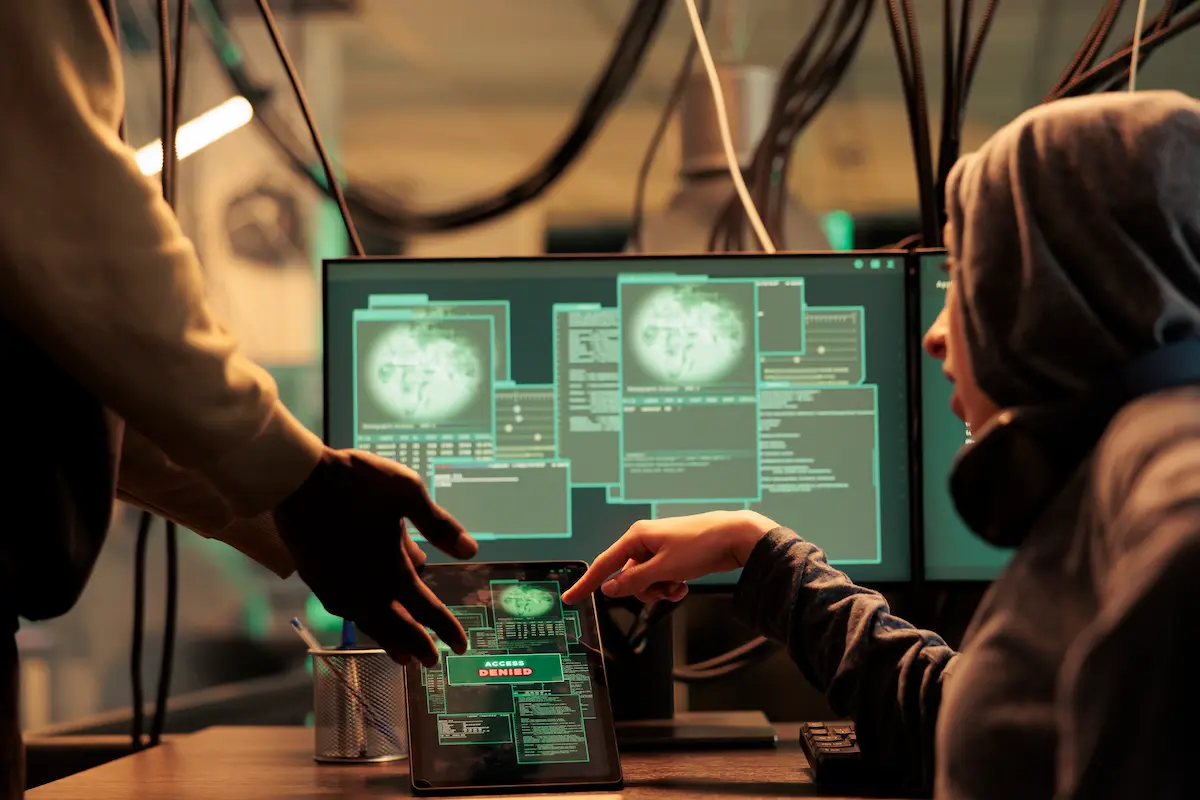
Each of your online activities may generate remnants. Your digital footprint continually deepens, with messages, emails, login records, activity from browsing, and files. Digital forensics reveals the buried truth among the devices and systems when conflicts happen, data disappears, or criminal actions are suspected.
While this is unfortunate from a data protection perspective, at Baker Street Private Investigator (BSPI), we have to explain to our clients that digital forensics simply cannot continue in isolation, considering how investigations in the 21st century rarely end with investigating physical evidence. In many cases, phones, computers, cloud accounts, and other digital assets hold clues of great value.
What Is Digital Forensics?
In simple words, digital forensics is the ability to detect, preserve, and keep intact digital evidence, and examine the report on it. Profession falls where forensic science merges technology and investigations.
So today in the digital days, the domain of data produces tremendous amounts of advanced info each day. Digital investigations involve specialized skills, technical knowledge, and processes to ensure evidence is preserved in an unimpaired state.
Digital forensics is a process of gathering evidence from digital devices and analysing it in such a way that maintains the chain of custody. This enables investigators to bring digital evidence before the courts, during internal investigations, and security audits.
Cybercrime evolves, and the discipline of digital forensics has become essential for businesses, people, law enforcement agencies, and cybersecurity professionals alike.
The Digital Forensics Process
Digital forensics is conducted following a defined methodology designed to maintain the integrity of the evidence.
A typical forensics process includes:
- Identification of relevant digital devices
- Preservation of digital data
- Collection and extraction of information
- Forensics analysis
- Reporting and documentation
- Presentation of findings
Digital forensics examines digital information without changing the original evidence. It keeps the findings from becoming too far removed from reality.
A digital forensics investigation consists of analysing the evidence collected from computers, phones, cloud systems, and storage media in use. The purpose is to extract data that may shed light on timelines, communications, user behaviour, or suspicious activity.
How Deleted Evidence Is Recovered
It is common knowledge that deleted files are practically gone, but not really. In fact, the deleted files are not physically erased, as they still remain in the device for several days when new data overwrites them.
Computer forensics utilises specialised tools and methodologies to recover the information that the users presume is lost permanently. The forensic investigator may recover attributions as follows:
- Deleted files
- Deleted emails
- Browser history
- Chat records
- Documents
- Metadata
Digital forensics investigators to recover data piled on hard drives, mobile phones and cloud native tools. The forensic procedures derive hints pertaining to the criminal activities connected with computer-related crimes.
As the examination of a computer forensic image progresses, researchers may discover what appear to be remnants of malware, concerning downloads or links to digital offences.
Types of Digital Forensics
Digital forensics has various branches, all based on different types of technology and evidence.
Computer Forensics
Computer forensics analyses computers, laptops and storage media through the use of specialised software. It is all about recovering data, analysing activities performed by the user and detecting how illegal access was gained at workstations.
Mobile Device Forensics
This deals with mobile phones and tablets. With mobile forensics, we can obtain text messages, call logs, photos, information on previous locations and data from applications.
Database Forensics
Database forensics investigates databases and stored records. Organisations frequently use database forensics after data breaches or internal misconduct incidents.
Network Forensics
Network forensics is a branch of digital forensics that captures, records, and analyses network traffic to detect intrusions, attacks, or other suspicious activity on the network.
Cloud Forensics
Cloud forensics is a field of digital forensics that deals specifically with evidence/data in the cloud, not evidence collected at crime sites. With the rise of remote systems in organisations, cloud forensics has emerged as a highly relevant and important field of digital forensics (and cybersecurity).
These are basically digital forensics, and they demonstrate how far the profession has come.
Tools and Techniques Used in Digital Forensics
A successful digital forensic investigation relies on both technology and expertise.
Common tools and techniques include:
- Forensic tool suites
- Cybersecurity tools
- Hardware tools
- Open source tools
- Data recovery software
- Memory analysis utilities
Digital forensics experts often analyse digital evidence using industry-standard forensic platforms. The tools and approaches you pick differ based on the device, OS, and case under investigation. Memory forensics helps investigators assess data stored temporarily in system memory.
This can help uncover currently running processes, malware activity and active connections on the system during a cyber security incident. Digital media, emails, cloud accounts, and any digital data may also be introduced to forensic analysis that can unearth relevant evidence.
Digital Forensics and Cybersecurity
The ties between digital forensics and cybersecurity are evolving.
Digital forensics, when applied to a cyber security incident, helps organisations to answer the following questions:
- How attackers gained access
- Which digital assets were affected
- What information was compromised
- The extent of the damage
Digital forensics is a key enabler when responding to incidents. It helps organisations understand cyber threats, contain risks, and strengthen security controls.
Statistics state that a lot of the cybersecurity incidents are related to malware infections, unauthorised access, insider threats, or data theft. Digital forensics helps investigators to deep-dive with scientific methodology, reconstruction of evidence.
This is the reason why police and cybersecurity professionals usually combine forces during large cybercrime investigations.
Who Uses Digital Forensics?
The demand for digital investigations continues to grow across industries.
Groups that regularly use digital forensics include:
- Law Enforcement Agencies
- Singapore Police Force
- Private investigation firms
- Corporate security teams
- Information security professionals
- Forensic analyst teams
- Cybersecurity consultants
A digital forensics specialist can assist with legal cases, internal investigations, fraud inquiries, or regulatory reviews.
Digital forensics investigators usually work with lawyers, forensic investigators, and corporate stakeholders. Digital forensics investigators may also help with tasks in digital forensics investigations related to workplace issues, intellectual property theft and compliance tracking.
Digital forensics is becoming more critical than ever within enforcement agencies and cybersecurity experts as digital evidence now emerges in almost every possible investigation.
Building a Career in Digital Forensics
Digital forensics career scopes are on the rise because of the sudden increase in cybersecurity risks that organisations keep facing.
Those wishing to be a digital forensic specialist generally study:
- Degree programs
- Professional certifications
- A digital forensics course
- Technical training programmes
To work as a digital forensics investigator, it is important to have strong digital forensic skills. Background in cyber forensics, information security, forensic science, and investigative methodology is a plus.
As a result, several upcoming professionals ponder how to become a digital expert in this domain. The mechanical experience and sound acumen of the individuals are essential; knowing the accepted procedures in digital forensics is one more significant area.
Why Digital Forensics Matters Today
Every second of our digital world provides evidence. This digital presence extends into emails, social media interactions, online and offline financial transactions, cloud storage records, and mobile applications.
Digital forensics involves discovering those traces and making them evidence. Digital forensics gives organisations and investigators the tools to analyse digital activity, recover hidden data, and establish truths.
Digital forensics can be deployed to assist sensitive investigations, and we at Baker Street Private Investigator have a first-hand view into how this poignant divorce matter plays out. Digital forensics investigation work is designed to find facts, protect interests, and provide clarity in an increasingly connected world (if it is done right).
Digital forensics has emerged as one of the most sought-after investigative disciplines that exist today, as technology evolves over time. Digital forensics will always be the core of any search investigation, whether your work finds you working on an online crime, a criminal case investigation, solving data breaches, or even investigating a security incident.